Fresh soursop Products From Our Farm to your home
Understanding Cancer: The Basics Explained
What is Cancer and What are the Causes
3/24/20262 min read
What is Cancer? The Basics Explained
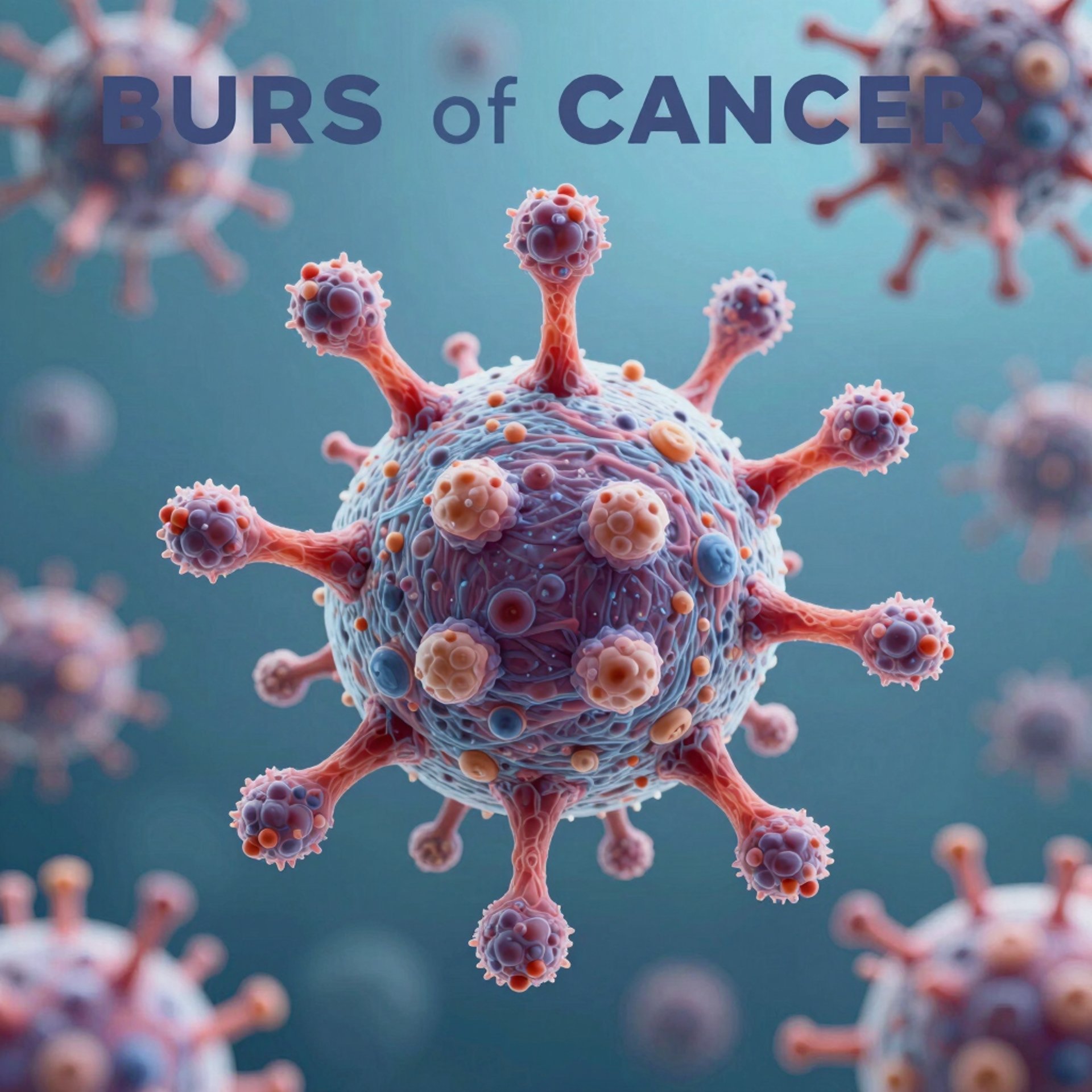
Hearing the word "cancer" is intimidating, but stripping away the medical jargon can make it feel a little less overwhelming. At its core, cancer isn't an outside invader like a virus or bacteria—it is fundamentally a disease of our own cells.
Here is a quick breakdown of how it works.
The "Glitch" in Cell Division
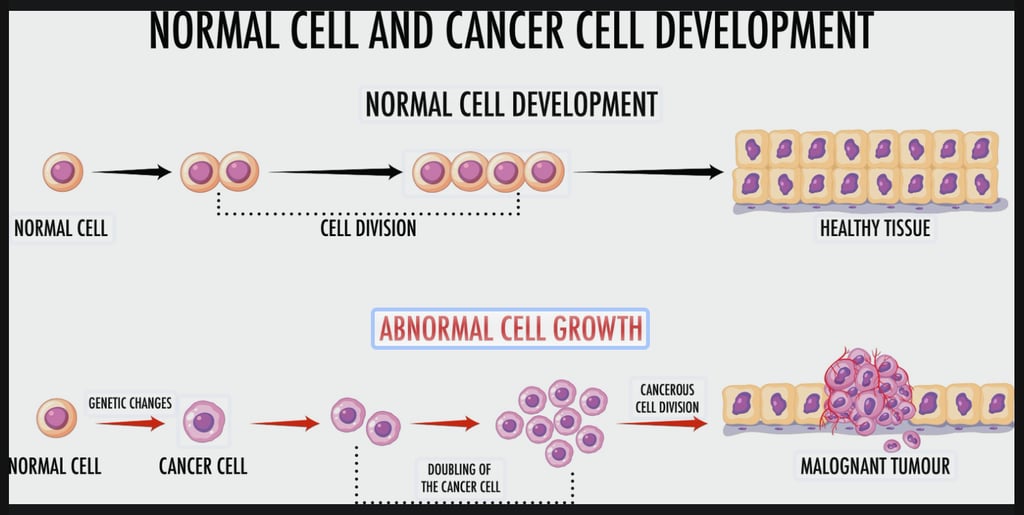
Normally, your body's cells grow, divide to make new cells, and politely die when they get old or damaged. Cancer disrupts this orderly process.
Due to damaged DNA (mutations), some cells stop following the rules. They survive when they should die, and they multiply uncontrollably when the body doesn't need them to. This rebellious, unstoppable cell growth is the defining feature of cancer.
Tumors and Spreading
As these abnormal cells multiply, they often form masses of tissue called tumors.
Benign Tumors: These are non-cancerous. They grow locally and do not spread to other parts of the body.
Malignant Tumors: These are cancerous. They can invade nearby healthy tissues and break off to spread to distant parts of the body through the bloodstream or lymph nodes—a process called metastasis.
What Causes the "Glitch"?
The DNA mutations that lead to cancer don't happen for just one reason. They are usually the result of a combination of factors:
Genetics: Some people are born with genetic mutations inherited from their parents that make them more susceptible to certain cancers (like the BRCA mutations in breast cancer).
Environmental and Occupational Hazards: Exposure to certain chemicals or radiation (like asbestos or radon).
Lifestyle Factors: Tobacco use, heavy alcohol consumption, poor diet, and lack of physical activity are well-documented risk factors.
Viruses and Infections: Certain viruses, like Human Papillomavirus (HPV) or Hepatitis B and C, can cause DNA changes that lead to cancer.
Why Isn't There a Single "Cure"?
One of the biggest misconceptions about cancer is that it is a single disease. In reality, cancer is a category of more than 100 different diseases.
Lung cancer is biologically different from skin cancer, which is different from colon cancer. Even within the same category (like breast cancer), the cancer cells in one person can behave and mutate entirely differently than the cancer cells in another person. Because the mechanisms, mutations, and behaviors vary so wildly, a "one-size-fits-all" cure is medically impossible. The treatment must be as specific as the disease.
The Silver Lining: Advancements in Science
While a universal cure doesn't exist, our understanding of cancer has exploded in the last two decades. We are moving away from broad, systemic treatments and moving toward precision medicine.
Treatments like Targeted Therapy (drugs designed to specifically target the unique mutations of a patient's cancer cells) and Immunotherapy (treatments that teach the patient's own immune system to recognize and attack cancer cells) are changing the landscape of cancer care, turning what were once fatal diagnoses into manageable conditions for many patients
Soursop4Cancer
Contact
Email : soursop4cancer@gmail.com
Soursop4Cancer Solutions
Chellapandi
313/2B, A3/3
Sriram Nagar, 2nd Street, Near Gandhimanagar, Peelamedu, Coimbatore, Tamilnadu - 641004
© 2026. All rights reserved.
Mobile : +91 9790686763



Registration Number: 22417558000096
Disclaimer: These products are not intended to diagnose, treat, cure, or prevent any disease. Always consult your doctor before use



We are also available in
GSTIN: 33APSPC4220R1ZM